
Local area guides
Western Sydney Property Care: Understanding Local Conditions
Western Sydney is not one maintenance environment. Two properties a few kilometres apart can age outdoors in completely different ways.
What settles on a driveway, window sill or gutter depends less on a suburb label and more on exposure, surrounding development, surface type, drainage and how the site is used. This guide is about learning to read those conditions — not following a fixed cleaning calendar.
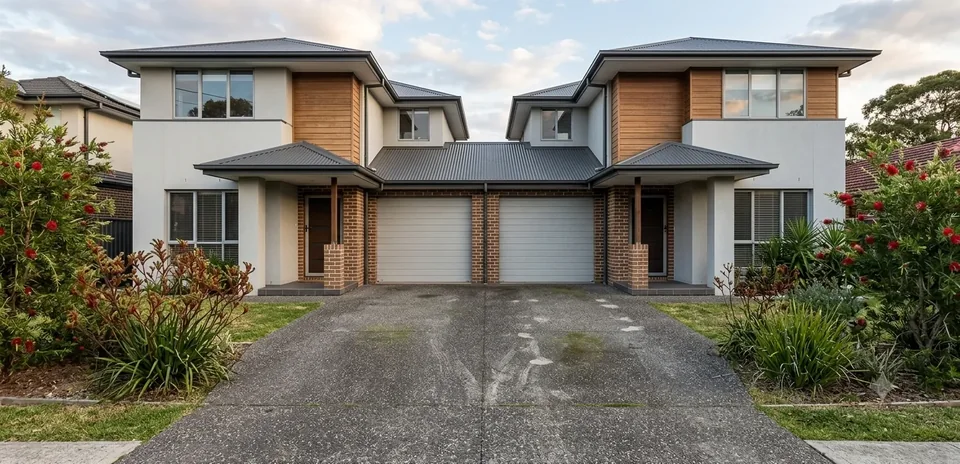
What changes from property to property
People often talk about Western Sydney as if outdoor maintenance behaves the same everywhere west of the CBD. In practice, the useful questions are more local than that.
Is the property open to wind, or tucked behind other buildings? Is there active earthworks nearby, or established gardens? Does rain leave quickly, or sit on hard surfaces? Is the driveway porous concrete or sealed pavers? Those answers usually matter more than a broad regional description.
NSW climate context for Greater Sydney notes inland–coast differences in summer warmth. That can be relevant when dry periods leave fine material more visible between cleans — but it is not a rule that every inland property is dusty, and it is not a substitute for looking at the site itself. See AdaptNSW — Metropolitan Sydney for the published regional climate overview.
How surrounding conditions affect maintenance
A practical approach is to notice change, then ask what is driving it.
- Exposure: Open sites and busy road frontages often collect airborne material faster than sheltered courtyards.
- Surroundings: Trees, vacant land, landscaping and nearby building work can each add a different kind of debris.
- Weather pattern: Long dry spells, then sudden rain, can move dust into gutters and leave marks on walls and glass.
- Surfaces: Rough concrete holds grime differently from coated render or sealed pavers.
- Use and access: Entrances, visitor parking and shared paths show wear earlier than rarely used side areas.
Maintenance cycles should follow those patterns. A property that stays relatively clean for months may still need attention after a dusty construction period or a storm that filled roof valleys with material.
How driveways, walls, windows and gutters respond
Driveways
Driveways often show the first dull film of dust and traffic residue. Shade, moisture and organic growth can darken one strip while another stays lighter. Cleaning method should follow the surface — not a one-pressure-fits-all habit. For the surface science, see Why Driveways Turn Black.
External walls
Rendered and painted walls can collect fine airborne material, especially on the weather side or near dusty ground. Soft washing or other gentler approaches may suit some finishes better than aggressive blasting. The aim is to lift what sits on the surface without damaging the coating underneath.
Windows
Glass shows dust quickly. Road dust, pollen and construction fines can make windows look permanently cloudy even when the frames are otherwise fine. Window cleaning frequency often tracks nearby activity more closely than a calendar date.
Gutters and roofs
Fine dust can settle in valleys and gutter channels before leaves arrive. From the ground, the outer edge can look empty while material sits against the back of the gutter or near an outlet. How that build-up forms is covered in Roof Dust and Blocked Gutters. When to plan servicing is covered separately in How Often Should Gutters Be Cleaned in Sydney?.
Entrances
Front paths, porch tiles and steps take foot traffic, tracked-in grit and splash from rain. These areas matter for presentation and safe footing. They also tend to need more frequent attention than a rear courtyard that hardly gets used.
Gardens and property edges
Edges collect leaves, soil wash and mulch overflow. Overgrown edges can push organic material toward drains, fences and hard surfaces. Garden tidy work is not only about appearance — it also affects how water and debris move across the site.
What to check before choosing the work
Photos help. So does a clear description of what has changed and when you first noticed it. Even then, some properties need an on-site look before anyone can speak confidently about method, time or price.
Assessment is not bureaucracy. It is how we avoid treating a dusty sealed driveway the same as aged porous concrete, or treating a simple ground-level path the same as a multi-level site with limited hose access.
If you want to know whether your address sits within current coverage, use the Service Areas page. Mentioning a region in an article does not mean every street in that region is automatically confirmed for service.
Why two quotes can be different
Two Western Sydney properties can look similar from the street and still quote differently. Common reasons include:
- how dirty or delicate the surfaces actually are
- preparation time, protection of gardens, windows or neighbouring areas
- parking, hose runs, height and equipment access
- shared or strata arrangements that add coordination time
- travel and scheduling for the site location
- whether the work is a light refresh or a heavier recovery clean
- clean-up and responsible handling of wash water
A lower figure is not automatically better value if it leaves out preparation, rinse quality or safe access planning. Asking what is included usually tells you more than comparing headline numbers alone.
Planning maintenance around the property
Some sites benefit from shorter cycles because dust returns quickly. Others stay presentable for longer and only need attention after weather, leaf drop or nearby building work.
Rather than locking every property into the same quarterly or six-monthly habit, note what changes between visits. That history becomes a better guide than a printed schedule borrowed from somewhere else.
Before heavier wet weather, outdoor preparation is often easier than reacting afterwards. The storm-preparation guide covers that planning focus without repeating the whole Western Sydney discussion here: Preparing Your Property Before Storm Season in Sydney.
When to ask for practical advice
Get in touch when access is awkward, a surface looks delicate, gutters cannot be judged from the ground, previous cleaning did not hold, or you are unsure which service fits the problem.
Share the suburb or postcode, the areas affected, and anything that recently changed nearby — construction, tree work, storms or a new coating. Photos can be emailed after the enquiry if they help.
Helpful resources
- Bureau of Meteorology — NSW forecasts and warnings.
- NSW SES — Prepare your home — storm and flood preparation guidance.
- AdaptNSW — Metropolitan Sydney — published climate context for Greater Sydney.
- Service NSW local council directory — find council information for your area.
DIY-safe vs call a professional
From the ground, compare how dust, shade and staining show on the driveway, walls and glass at your own property — not a generic Western Sydney checklist.
Call a professional when you are choosing a cleaning method, the surface is unknown or coated, access is difficult, or the work would involve pressure equipment, chemicals, ladders or the roof. Those procedures are not described here.
Commercial coverage for Ryde, Parramatta and The Hills sits on West / North-West. Matching services include driveway cleaning and sealing and pressure washing.
Have a question about your property?
Tell us what you have noticed outdoors and where the property is. We can talk through practical options, including whether a quote makes sense yet.
Ask a question or request a free quote